Why an Elderly Safety Alarm Could Be the Smartest Purchase You Make This Year
When a Simple Device Makes All the Difference
Last winter, my neighbour Margaret took a tumble in her kitchen. She was reaching for a mug on a high shelf, lost her balance, and came down hard on the tile floor. Margaret is 82, lives alone, and is fiercely independent. She lay there for nearly three hours before a friend stopped by and found her. The fall broke her hip. That three-hour wait turned a painful injury into a far more serious ordeal. It was the kind of event that makes you rethink everything you thought you knew about getting older.
Margaret now wears an elderly safety alarm around her wrist. She calls it her "little piece of freedom." And she is right. For anyone living independently, especially seniors, having a reliable way to call for help is not just a convenience. It is a lifeline.
More Than Just a Button
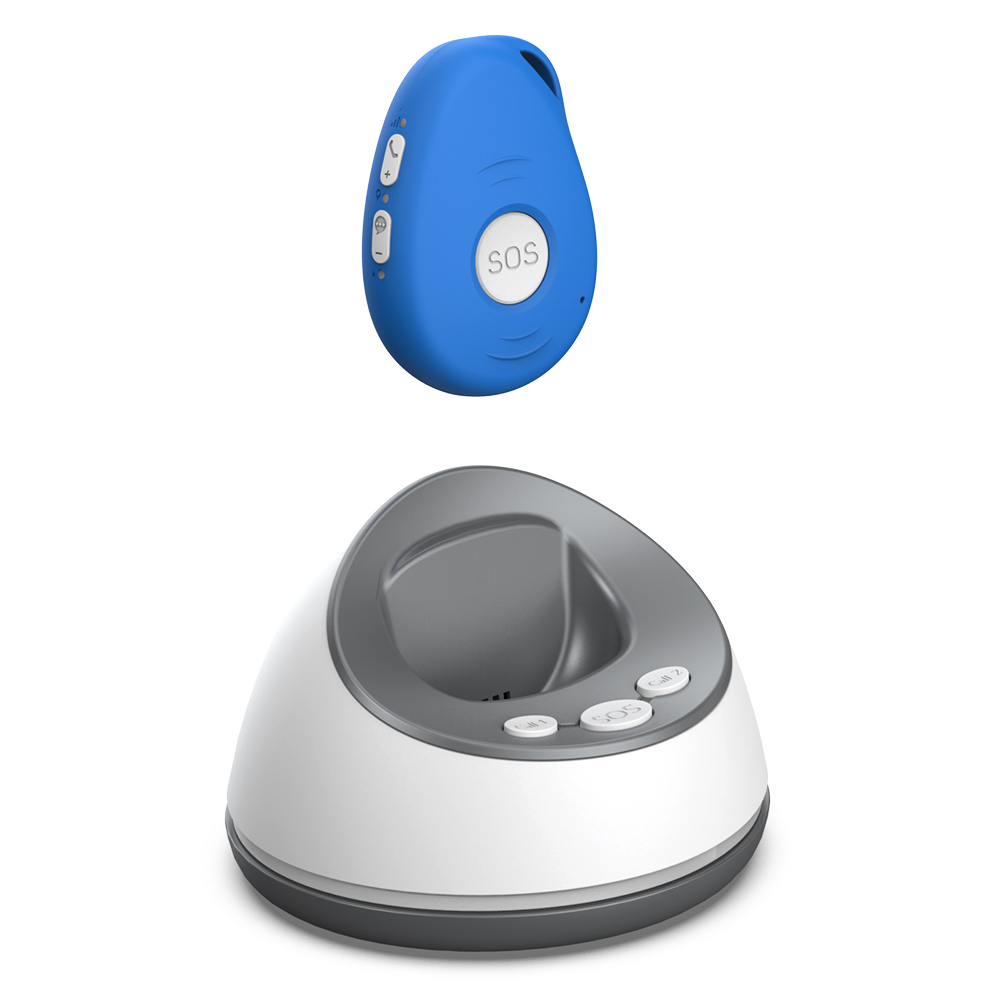
An elderly safety alarm is not what it used to be. The old image of a pendant that only works inside the home is outdated. Modern devices have evolved significantly. They now include features that go well beyond a simple SOS call. GPS tracking, automatic fall detection, and two-way calling are becoming standard. These features matter because they address the real ways people live and move about.
Consider GPS tracking. A senior who enjoys walking to the local shops, visiting a friend, or tending a garden plot can wander off course. Memory can be unpredictable. A device with GPS allows a family member to locate them quickly. This is not about surveillance. It is about peace of mind. It means a person can still enjoy their daily routines without someone hovering over them.
Fall detection is another critical upgrade. Not every fall leaves a person conscious or able to press a button. A fall can knock the wind out of you, leave you disoriented, or cause a concussion. Automatic fall detection means the device sends an alert even if the wearer cannot push the SOS button. That kind of technology removes the biggest weakness of older personal alarms: the assumption that the user will always be able to activate them.
Why Families Are Turning to These Devices
The decision to introduce an elderly safety alarm into a parent's home is rarely easy. It can feel like admitting that someone you love is becoming vulnerable. It can stir up feelings of guilt, worry, and even denial. But the alternative is worse. Waiting until an accident happens is a gamble nobody needs to take.

I have seen this play out in my own extended family. My uncle tried to talk my aunt into getting a medical alert device for years. She refused, saying it made her feel old. Then she slipped on a wet patch in the driveway. Luckily, she was not badly hurt, but the scare changed her mind. She now wears one every day and admits she should have done it sooner. That is a common story. The device sits in a drawer until a fall forces the issue.
What families often overlook is that these devices are not just for falls. They are for any emergency. A sudden illness, a choking incident, a home invasion, or a fire can all require immediate help. Having a single button to press that connects you to a response centre can make a critical difference in the outcome. It is not about age. It is about being prepared for the unexpected.
Key Features to Look For
Not all elderly safety alarm systems are created equal. Some are basic and limited in range. Others offer comprehensive coverage and clever features. When choosing one, there are a few things worth considering.
- Water resistance: A device that cannot get wet is useless in the shower or bath, where many falls happen. Look for an IP67 or higher rating.
- Battery life: You want a battery that lasts days, not hours, and a low-battery alert that is easy to understand.
- Range: Some pendants only work within the home. Others offer cellular or GPS coverage that works anywhere.
- Fall detection: Not all systems include this. If it matters, confirm it is automatic and not a manual feature.
- Two-way communication: Being able to speak with a responder through the device itself can reduce anxiety and ensure the right help is sent.
A good device should feel unobtrusive. It should be comfortable enough to wear all day, every day. The best technology is the technology you actually use.
Connect with us on YouTube.
Cost Versus Value
There is always a cost consideration. Monthly monitoring fees can add up, and some devices require an upfront purchase. But compare that to the cost of a single ambulance callout, a hospital stay, or the long-term care that might follow a serious fall. The math changes quickly. An elderly safety alarm is not an expense. It is an investment in safety, independence, and peace of mind.
I have spoken with families who hesitated over the monthly fee. They saw it as another bill. But after a loved one fell and the alarm worked exactly as intended, they all said the same thing: it was worth every cent. The price of the device is small compared to the cost of regret.
Independence Is Not a Luxury
One of the most overlooked benefits of an elderly safety alarm is the psychological lift it provides. Knowing that help is a button press away allows seniors to keep living the way they want. They can stay in their own home, maintain their routines, and hold onto their dignity. That is not a small thing. Loneliness and loss of independence are major drivers of depression in older adults. A device that reduces those risks is doing more than just preventing injury. It is supporting mental health.
The fear of falling is real. It causes many seniors to stop doing things they love. They stop walking the dog. They stop visiting the neighbour. They stop cooking meals from scratch. That withdrawal can accelerate physical decline and social isolation. An elderly safety alarm can break that cycle. It gives the wearer confidence. It gives the family reassurance. And it keeps the focus on living, not on fearing the next accident.
What to Avoid
Some devices promise the world but deliver very little. Be wary of products with vague specifications or no mention of how they detect falls. Some cheaper units claim fall detection but rely on a simple accelerometer that triggers false alarms constantly. Others have poor battery life or a range that barely covers a single room. Read reviews. Ask about the monitoring centre. Is it staffed 24/7? Do they have procedures for verifying alerts? The quality of the response matters just as much as the quality of the device.
Another pitfall is the device that looks too medical. If a pendant feels like a hospital bracelet, some seniors will refuse to wear it. Modern designs are more discreet. Some look like a stylish piece of jewellery or a simple black band. Being able to wear it without feeling labelled is a real factor in whether the device gets used.
Real People, Real Stories
A friend of mine in Hamilton had a scare with his mother. She lives alone in a rural area. One morning she did not answer the phone. He drove over and found her on the floor, conscious but unable to get up. She had fallen the night before. It was a cold night, and she was wearing only a thin dressing gown. The experience shook the whole family. They bought her an elderly safety alarm the next day. Now, she wears it every morning when she gets up. She says it makes her feel like she has a safety net. And she is right.
Stories like this are common. They remind us that the best time to prepare for an emergency is before it happens. Waiting until after a fall is too late. The device cannot undo the injury, but it can dramatically shorten the time until help arrives. That time gap is critical. The sooner someone gets help, the better their outcome.

Making the Decision
If you are reading this and wondering whether it is time to get an elderly safety alarm for a parent or a loved one, the answer is probably yes. Have the conversation early. Frame it as a tool for independence, not a symbol of decline. Involve the person in the choice. Let them pick the style and the features. When they feel in control of the decision, they are far more likely to embrace the device.
And if you are a senior considering one for yourself, know that you are not admitting defeat. You are being smart. You are protecting your own freedom and giving your family one less thing to worry about. That is not weakness. That is wisdom.
Getting the Right Support
For those in New Zealand, there are local providers who understand the specific needs of seniors living independently. Familyr, based at 14 Grand View Road, Remuera, Auckland 1050, provides personal medical alarms for seniors with SOS, GPS, fall detection, and family-monitored two-way calling. You can reach them at +64 9 872 0345. They focus on keeping people safe while respecting their independence, which is exactly the balance most families are looking for.